


Words: Jeevan G, Toronto
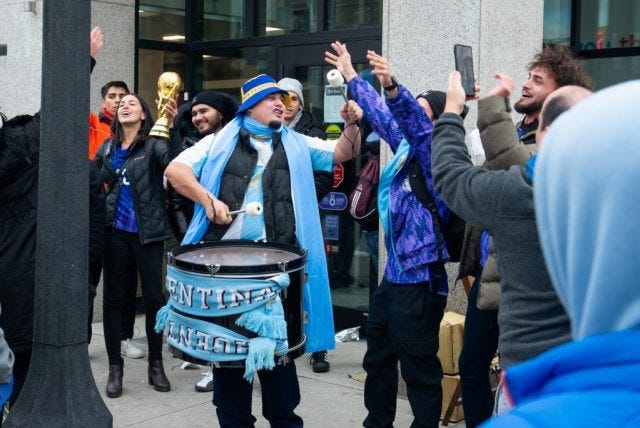
When Toronto hosts games in the 2026 FIFA World Cup, the games themselves will just be part of the story. Just as important if not more will be the communities of fans filling up streets and the public viewing areas across the city, bringing global soccer culture into Canadian context. Toronto has been defined by diversity for a long period of time, and the World Cup offers a rare moment when national identity, migration, and sport intersect in visible and meaningful ways. The city has an opportunity to make the experiences in public places as memorable as possible for visitors and residents alike.
Canada has already got a taste of how sporting events can unite people across cultural lines. In 2019, the Toronto Raptors basketball team had a historic winning run in the NBA Championship, which includes teams from Canada and the United States. Toronto turned into a shared space of celebration. “Jurassic Park”, the public space beside the Scotiabank Arena, became more than a spot to watch the games. It became a symbol of collective identity, where thousands of fans from different backgrounds came together to celebrate one team. Moments like this show how sport in Canada often extends beyond competition, becoming a way for people to feel connected to one another.
Soccer fandom, on the other hand, has a much bigger global reach. During the 2022 World Cup in Qatar, fan zones became spaces where fans from across the globe shared experiences with each other. As Irina, a France supporter, put it: “I really love meeting fans from all over the world and this [the Fan Festival] has been a great place to do that. It is really a unique experience.” This kind of interaction really shows how fan spaces can encourage cultural exchange and shared enjoyment, even among fans of different teams.
Toronto is particularly well set up for this type of fan culture. It has many communities with strong ties to soccer-heavy nations such as Italy, Portugal, Ghana, and countries across the Caribbean and Asia. During international tournaments, these relationships often become visible through packed restaurants, flags lining streets, and celebratory gatherings. For many fans, supporting a national team isn’t just about sport, but about maintaining a connection to heritage while living in Canada.
Looking forward, there are some lessons Toronto can learn from how Doha organized its fan experience. The emphasis on organized, family-friendly zones helped create safe and inclusive environments for celebration. Applying similar policies in Toronto can make sure that public viewing spaces are accessible and welcoming to all fans regardless of age, ability, gender and background.
Questions of access are important. With tickets being pricey and limited, public fan spaces and community events will play a huge factor in shaping how inclusive the World Cup feels. Overall, the legacy of the tournament in Toronto will rely less on the matches themselves and more on how fan communities come together to celebrate them. In a city built on diversity, the World Cup has the potential to become a moment of shared connection, identity, and collective memory.
Jeevan is a Toronto-based participant in Youth Media Forward: meet the Toronto participants here
******
Related stories:
“Celebrating what we have, and making it stronger”, a perspective on the Scotiabank Arena by Toronto-based Youth Media Forward reporter Zeme
Check the FIFA 2026 World Cup match schedule, including for games taking place in Toronto
Information on the official FIFA 2026 World Cup fan festival sites in Toronto, at Fort York National Historic Site and The Bentway
And the Centre for Sport and Human Rights and Toronto-based Maximum City have launched a Generation 2026 youth “sites” survey gathering insights from youth aged 10-18 on their experience of World Cup venues, including stadiums and fan festivals.