


Words: Joyce L, New York New Jersey
The FIFA World Cup is one of the most anticipated events worldwide, one of the rare moments when people around the world come together to celebrate and enjoy football. People gather in watch parties, establish national holidays to celebrate qualified nations, and families wear their host country’s merch. The World Cup especially brings communities together at the local level.
This year, the world is expecting the largest tournament yet, with 16 host cities across the North American region. With more venues and more participating teams come more opportunities for fans to enjoy. However, there are some who won’t be with their families and close communities, but will be tirelessly working behind the scenes to make the World Cup possible. What’s left unanswered is the compensation they will receive.
The chair of the NYNJ Host Committee, Tammy Murphy, has said that: “The World Cup is not just a global sporting event - it’s a powerful economic engine that will deliver lasting benefits to our region.”
In July 2025, the NYNJ Host Committee estimated that the World Cup will generate $3.3 billion in economic impact through tourism, hospitality, and other related sectors. Its Economic Impact summary projected that 26,000 jobs will be supported, $1.3 billion will be generated towards total labor income across the region, and $431.9 million in state and local tax revenues.
Recognizing that much of the economic impact is in the tourism and hospitality sectors, it is important to note that a large proportion of workers in those sectors are minorities. For example, 66 percent of NYC’s tourism workforce are minorities, and 44.7 percent are immigrants.
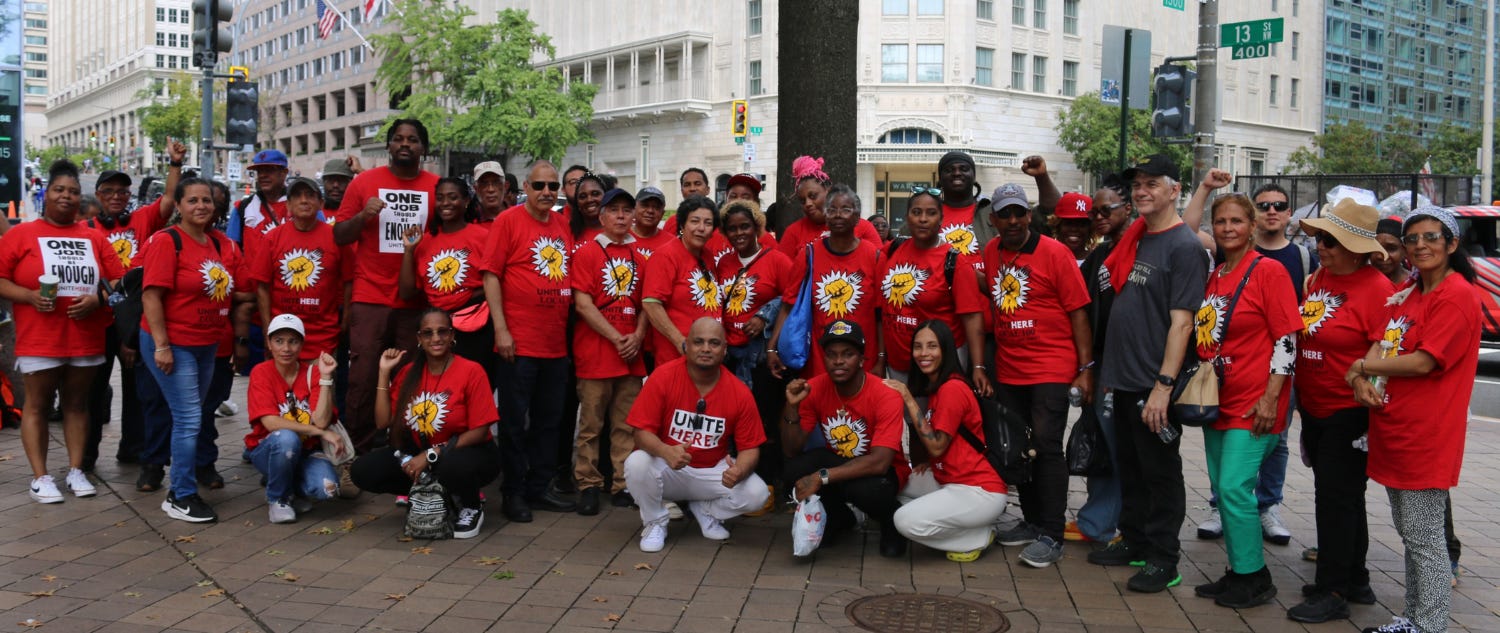
At a recent NYC council hearing on the World Cup, Jean Lauture, a representative of Unite Here Local 100 union, said that:
“The people we represent will staff the stadiums, our members will prepare the food, run the concessions, clean the facilities, they will be the first face a visitor sees and the last to leave when the night is over.”
To protect workers’ rights at an extremely profitable event, Lauture recommends specific actions for companies to prevent exploitation.
“Concerns boil down to this: if a contractor is doing World Cup-related work, there needs to be enforceable labor standards attached to that contract…Subcontracting chains need to be transparent so that there’s no question about who employs them and who’s responsible when something goes wrong.”
In addition, Council Member Shanel Thomas-Henry referred to the need to support small businesses. Thomas-Henry chairs the council’s committee on small business. She is proposing marketing and branding strategies that will generate revenue for the local businesses of Queens, whether at the airports or at the venue.
Video of the NYC council oversight hearing on World Cup preparations.
Furthermore, NYC’s diverse, immigrant community conflicts with FIFA’s cancellation last year of anti-racism messaging during the Club World Cup, which, following pressure from advocates, they now say will be reinstated at this Summer’s World Cup. And while FIFA has requirements for its direct suppliers to uphold labor standards, the employment generated by the World Cup extends much further.
Without waiting for further action by FIFA, council members, unions, and local organizations are working to ensure that the service workers who make the World Cup happen are recognized and respected.
As Unite Here representative Jean Lauture puts it:
“New York has an opportunity here. Do not just host a successful tournament, but demonstrate a city can do this right. That you can run a mega-event without running over the people who make it happen and who make it work.”
Joyce is a New York City based participant in Youth Media Forward: meet the New York New Jersey participants here