


Words: Micah A, Toronto
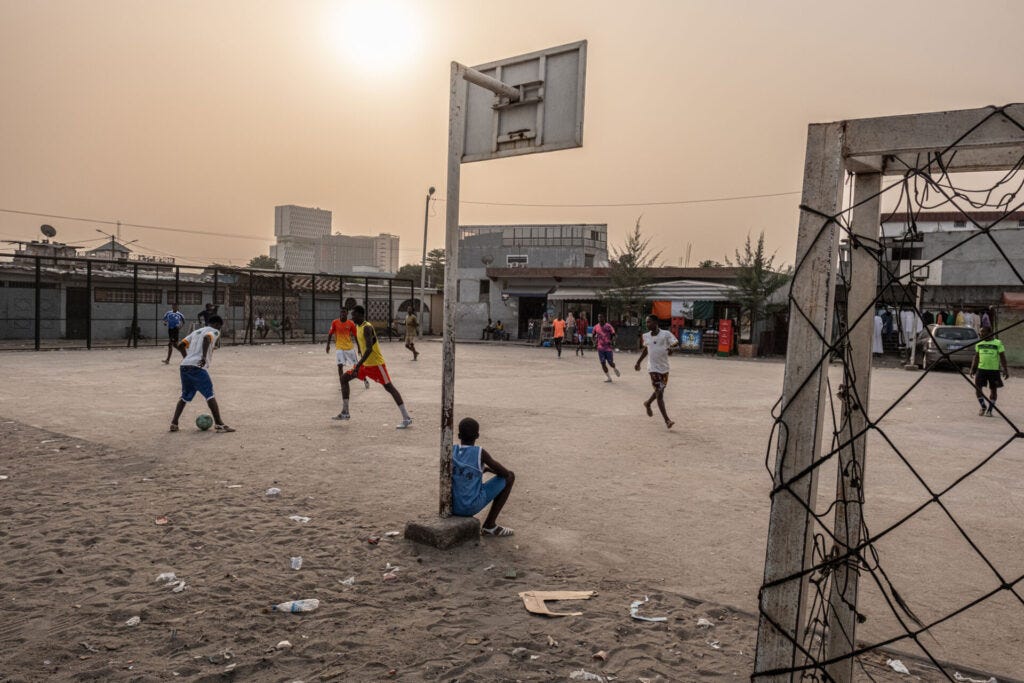
As excitement builds for the 2026 World Cup, football is celebrated worldwide as a force that can unite nations and transform lives. The tournament will showcase talent from every continent, including Africa, which consistently produces some of the world’s most gifted players. Yet behind this global spectacle lies a hidden reality. For many young African boys, football does not begin with opportunity. It begins with exploitation.
In countries such as Nigeria, Ghana, Senegal, Cameroon, and Ivory Coast, football is widely viewed as one of the few realistic paths out of poverty. Unscrupulous agents and unregulated academies exploit this belief, promising trials, contracts, or scholarships abroad. Families often pay fees equal to months of income for these opportunities. Too often, they are scams. Many young players arrive in foreign countries only to discover there is no trial, no team, and no support system waiting for them.
An estimated 15,000 young players are trafficked each year, the majority of whom come from West Africa. Without documentation, housing, or financial resources, some are abandoned in unfamiliar cities. Reports have documented cases of minors being homeless, forced into labor, or experiencing long-term psychological trauma. These outcomes violate fundamental child rights, including access to education, safety, and protection from exploitation.
This issue reflects broader structural inequality within global sport. European football institutions largely control recruitment systems, wages, and development pathways, while African players and families have limited power in these decisions. Talent flows outward, but investment rarely flows back. This imbalance reinforces historical global inequalities and the perception that success is only possible through migration.
Organizations such as Foot Solidaire are working to confront this crisis. Founded by former Cameroonian footballer Jean-Claude Mbvoumin, the group provides legal assistance, helps trafficked players return home safely, and educates families about the risks of unlicensed agents. Work by Foot Solidaire and others such as Mission 89 has helped many victims, but the scale of exploitation requires stronger laws, stricter enforcement, and greater accountability from international football authorities.
Economic hardship, weak regulation, and global demand for talent all contribute to the problem. When systems fail to protect vulnerable youth, traffickers face few consequences while children face life-altering risks. Addressing this injustice requires coordinated global action. Governing bodies must regulate agents, governments must monitor academies, and communities must be informed about safe recruitment pathways. While FIFA, the international body that governs football, has strict rules on recruiting players across borders and registering agents, most aspiring players do not know about the rules and the deception persists.
Football should be a gateway to opportunity, not exploitation. Protecting young athletes means reshaping the sport into a system that values human dignity over profit. Talent should open doors, not place children in danger. Until the global football industry better confronts this reality, the dreams of countless young players will continue to be sold, and too often, abandoned.
Micah is a Toronto-based participant in Youth Media Forward: meet the Toronto participants here