


Words: Camilla S, New York New Jersey
“And maybe you can be my American ha, ha…”, sing PinkPantheress and Zara Larsson in “Stateside”.
From the chronically online to the chronically offline, it’s been hard for anyone to escape Alysa Liu this year. The 20-year-old ice skater from Oakland, California and two-time Olympic gold medalist is everywhere. Clips of her skating routine to the song “Stateside”, her interviews, a cover on Teen Vogue, videos of fans recreating her performance in their bedrooms. Colorful art and animations. Tips on how to copy her make-up, her alternative style, and even a few attempts at imitating her iconic “halo” hairstyle. She’s even had a recent cameo in musical artist Laufey’s, star-studded music video for, “Madwoman”, a video that, as of now, has racked up 18 million views on Youtube.
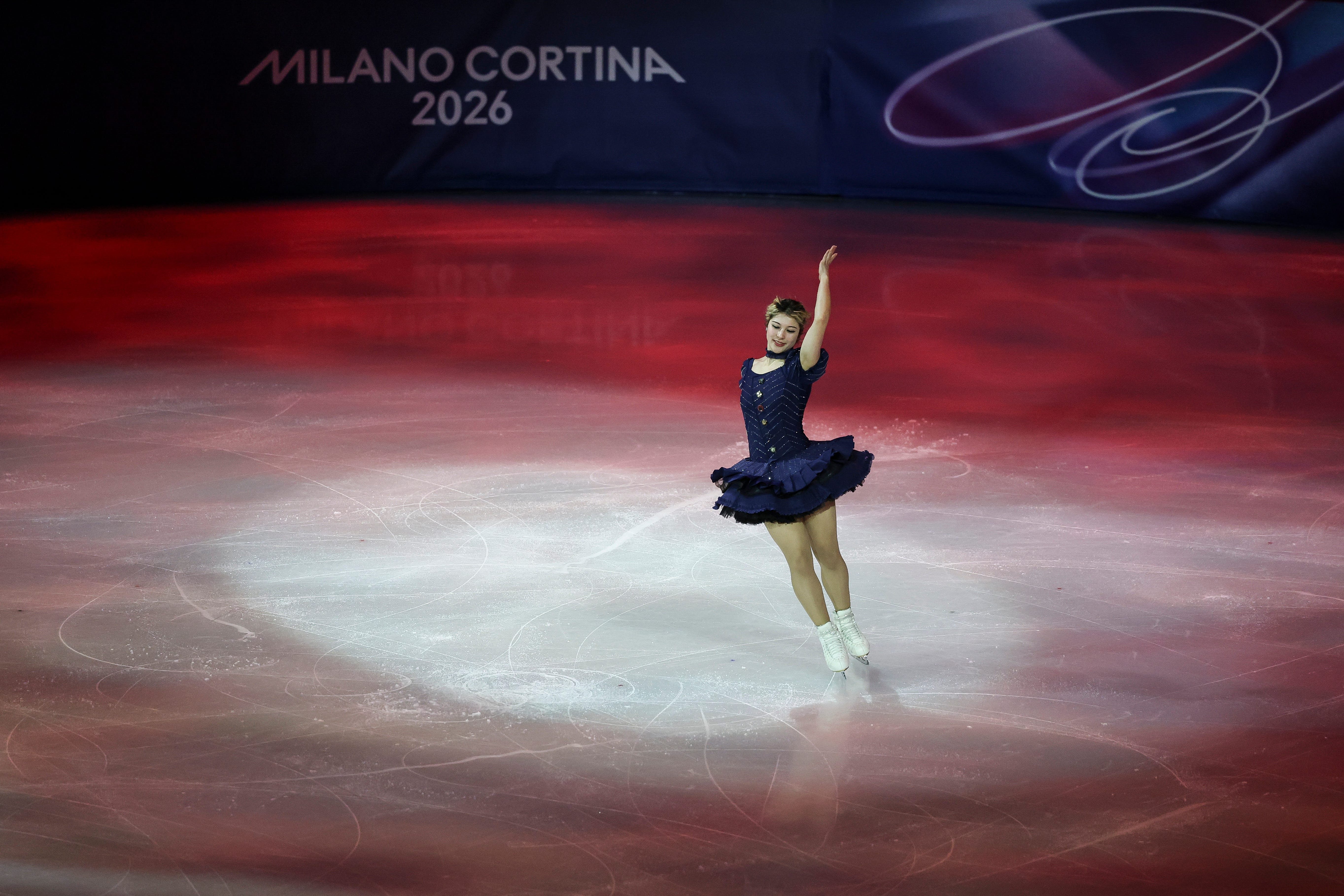
Her success not only as an athlete but also a pop-culture phenomenon could be attributed to many factors:her talent, her dedication, and her unique energy. But at least online, among Americans, the reasons for some praise – and some backlash – seem to go beyond sport or style.
In a Youtube video titled, “People love Alysa Liu Regardless of Her Politics”, Brett Cooper, a prominent political commentator who NPR has described as conservative, starts off with a very matter-of-fact observation about Liu: “She’s a zoomer daughter of immigrants who was raised in Oakland, California… Like, big woop. She’s probably on the left.”
Cooper isn’t wrong. In a Rolling Stone interview, Liu described coming from a liberal family. She mentioned various issues that she cared about, including, “A lot of climate stuff. But mostly election things, Black Lives Matter, Stop Asian Hate, ICE protests.”
Despite the opposing viewpoints Cooper doesn’t really care. But it seems to come with a stipulation. Liu, according to Cooper, “checked her personal politics at the door.”
“You know what value I share with Alysa Liu?” Megyn Kelly, a registered independent and former Fox News host asked on her talk show, the “Megyn Kelly Show. “She loves America. That’s enough.”
The conversation requires context. This past winter Olympics could be described as anything but apolitical, especially when it comes to the United States’ role. From the boos when the Vice President appeared on camera at the opening ceremony. To the skier from Great Britain who spelled “F— Ice” with his pee, to video clips of gold-medal winning men’s Ice Hockey team’s call with the US President.
Even one of Liu’s fellow Team USA skaters, Hunter Hess, described, “mixed emotions” when it came to representing the US at the current moment. “Just because I wear the flag doesn’t mean I represent everything that’s going on in the US,” he said.
All of these things received immense backlash online by different sides of the political spectrum.
This conversation mirrors ones happening in other industries, around other public figures, in this current divisive moment in US and global politics.
In a recent interview, Colombian artist and grammy-winner Karol G told Playboy magazine that she wanted to speak out against ICE, but “People will say, ‘It’s better you don’t.’” She pointed out there’s always the risk of a visa getting taken away if someone in power decides they wanted to make a point.
Karol G also pointed out a pivotal aspect of this discussion: “What impact does it really have to say ‘ICE Out’ versus something else that can have a real impact on my community?”
Does speaking out as celebrities or athletes have an actual impact? Should the figures use their influence to shape public opinion? What’s the line where something becomes political? In Cooper’s eyes, Alysa stands as an opposite to the Hunter Hesses of the world. In her eyes, Liu keeps it on the ice. However, no matter how “apolitical” Liu is claimed to be, she exists in a political world.
Alysa Liu has been relentlessly compared online to Eileen Gu, an Olympic skier who also competed in Italy. Both are American-born, Californians, and children of Chinese immigrants. However, Liu represents the United States in competitions and Gu represents China – two countries that have long been engaged in a geopolitical rivalry.
In a Tweet on “X” (formerly known as Twitter) Tennessee Congressman Andy Ogles, described Eileen Gu’s decision to represent Team China saying, “there must be consequences for those who betray the United States and support our adversaries.” The phrase “Be Alysa Liu” spread online among Gu critics. Alysa Liu, in many people’s eyes, is the opposite to Hess. To Gu. She doesn’t say she has “mixed emotions”, she represents team USA, despite being of Chinese descent. She is the perfect, shining example.
Even Liu’s features have been a part of the conversation. After showing her bare face in a recent interview, some were critical of her looks. In one tweet someone wrote, “makeup should be criminalized”. Rasmr, a streamer, described her in a video as a “beautiful mid” saying she was someone who wouldn’t “scare off men or make women jealous”. The perfect in-between. In an Instagram reel, a brand showed a photo of a Liu as a young girl and then one of her in her full performance glam. The text read, “same person btw” and the caption described how to achieve this transformation.
Alysa Liu has been having an incredible moment. Not simply as an amazingly talented and well-decorated athlete, but also as a cultural phenomenon. She is so much more than that though, she’s young kids getting represented and feeling inspired to try a sport and alternative style in full view. And just someone who is incredibly talented and passionate. There is so much joy in the videos of kids trying to copy her ice routines and the young girls with bright halos and the people making cartoons of her performances in glitter-covered outfits. Yet this stardom seems to come with stipulations hidden behind the compliments.
Liu does not just have to have the skill of a gold medal Olympic skater to keep this public praise. She also has to “keep politics at the door”. She has to be “loyal”. She has to look attractive. As an Asian American young woman she has to jump after every hurdle and every small box. Then, only just then, can she maybe be our American. What exactly does that say about the internet? What does that say about us?
Camilla is a New York New Jersey based participant in Youth Media Forward: meet the New York New Jersey participants here