


Joyce K, Los Angeles
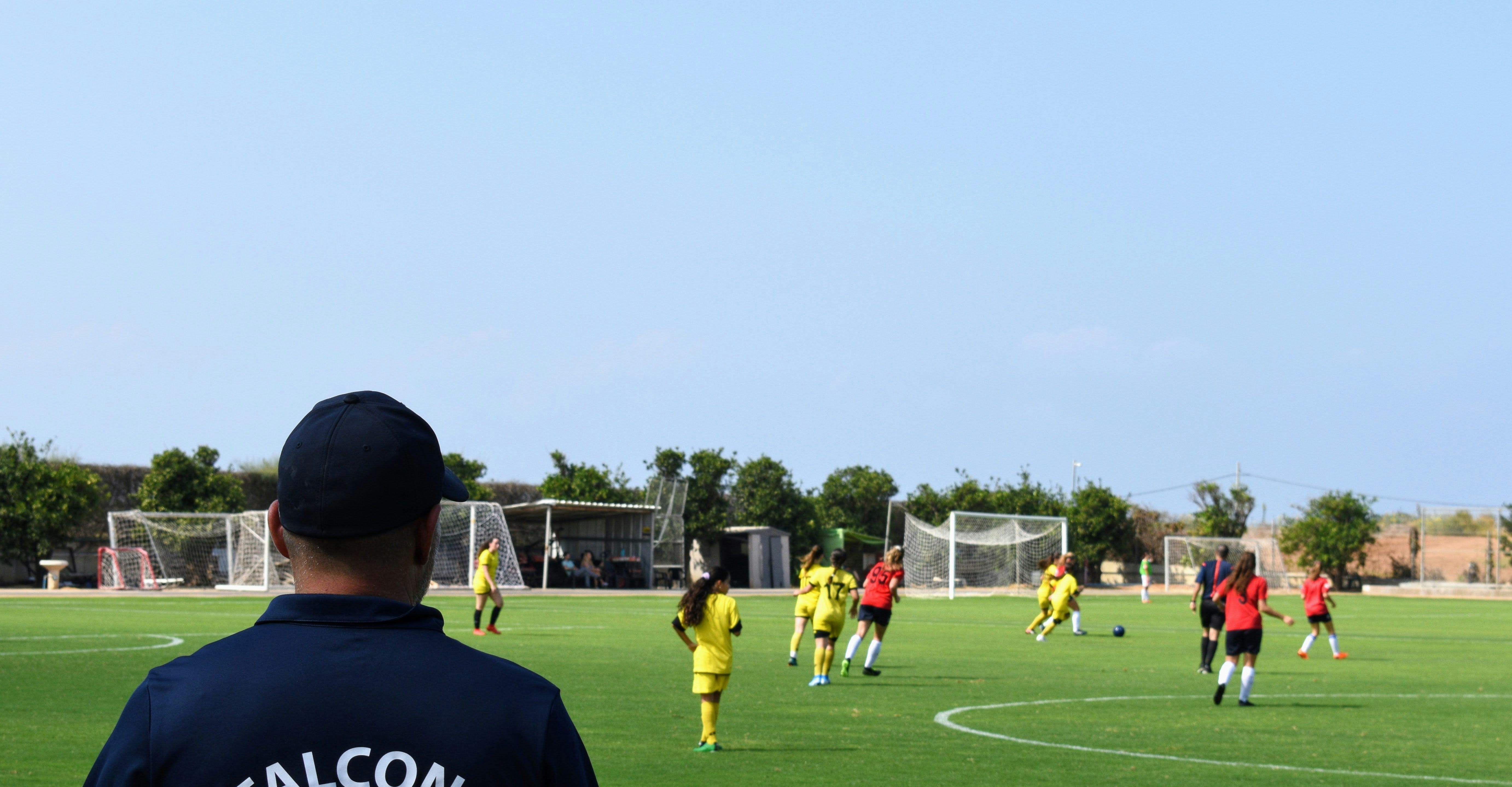
It’s not uncommon to hear coaches telling young athletes to “toughen up” and “push through”. After all, it’s the coach’s role to train athletes both physically and mentally, pushing them to become stronger and better at their sport. But when does this just become an excuse for abuse of these athletes?
Good sporting environments should ensure safety and cultivate respect, which ultimately help the athletes thrive. Not only does this build confidence in their abilities, it creates a love for the sport, and a willingness to continue playing. But emotional and physical distress caused by adults can ruin athletes’ passions entirely.
A 2022 survey published in the British Journal of Sports Medicine found that almost 19% percent of athletes surveyed from the National Collegiate Athletic Association (NCAA) reported to have experienced some form of abusive supervision. Results also revealed that coaches who showed attention to the needs of their athletes and respect for their opinions had lower odds of being reported for abusive supervision.
Clearly, coaches who are caught up in winning and prioritize avoiding losses over their athletes’ wellbeing seem to be more likely to be reported. And yet, it is not easy to stand up against or even recognize this abusive behavior. Why is that?
Because yelling at athletes, humiliating them in front of their peers, or working them until overexhaustion is often framed as coaches doing their job. It can be hard to recognize that the adults who train you, help you, and coach you are the very people who are causing you mental distress, when that is the case. However, this is not a form of care, but rather a form of gaslighting.
While in the short term, these aggressive methods may seem effective at fixing athletes’ behavior and avoiding mistakes, it is also important to consider the long term effects. Long term, emotional abuse can ruin athletes’ confidence and cause burnout and other negative effects on mental health. It can completely rid the athlete of their passion and genuine enjoyment of the sport, preventing them from playing long-term.
This is not to say that coaches should not do their job. Coaches can effectively train athletes without causing emotional trauma. By creating genuine relationships built on trust and respect between the coaches and athletes and promoting open communication, coaches can ensure that athletes are safe, both physically and mentally. Regulating physical training for the goal of improving skills rather than punishment, and sharing critiques while not yelling and causing humiliation are all viable ways to maintain a sporting environment athletes will want to continue coming back to.
By advocating for individuals who have experienced abuse while playing sports, and raising awareness of the signs of coach abuse, the sporting community can come together to prevent further continuation of abusive behavior. Athletes should be reminded that such behavior is reportable, and should be encouraged to do so or talk to a trusted adult if they ever feel uncomfortable because of a coach’s actions.
It is essential to recognize that the meaning of sports is not rooted in simply winning. Sports should promote physical and mental health, and help to build character and a sense of belonging to a community. Sports that are free from abuse build lasting relationships, boost self-esteem, and foster teamwork and discipline. There is so much more to the athletic world than a shining trophy.
Joyce is a Los Angeles-based participant in Youth Media Forward: meet the Los Angeles participants here
*******
For more information and guidance, see:
These resources are for anyone who is “working to change sport culture and create environments free from abuse”. They cover five areas: i. recognizing, ii. preventing, and iii. responding to abuse and misconduct, iv. supporting survivors, and v. using effective policies.
And resources specific to coaching:
“Is it appropriate coaching, or abuse?”, US Center for Safe Sport
“Compassionate Coach”, an educational training course developed by The Athlete Survivors’ Assist
“Coaching Boys into Men”, an evidence-based violence prevention program provided by Futures Without Violence