


Words: Zeme, Toronto
I am a strong believer that sports play an important role in helping people build identity, confidence, and a sense of belonging, especially for those adjusting to life in a new country, just as it did for me.
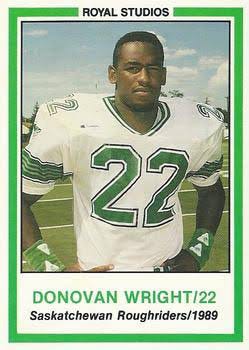
To explore this idea further, I interviewed former Canadian Football League defensive back and my longtime coach Donovan Wright. He immigrated to Canada from Jamaica as a child and went on to build a career in professional football before dedicating many years to coaching young athletes.
In this interview, he reflects on how sport helped him adapt to a new environment, the lessons he learned from playing at the professional level, and how those experiences influence the way he now mentors young people from different backgrounds.
Having immigrated to Canada as a child, how did sport help you adjust to a new country and begin to feel a sense of belonging? How did those early experiences shape your identity?
Coming to Canada as a child everything felt unfamiliar at first. The language and the school even the way kids interact with each other. Sports became the one place where I didn’t have to explain myself as much. On the court or field it didn’t matter where I was from or what my Jamaican accent sounded like. If I could play, work hard and be a good teammate, I belonged. That gave me a sense of connection. Those early experiences helped me to shape my identity and the person that I am today.
What role did sport play in your upbringing and personal development? How did being involved in sport influence your confidence, discipline, and sense of who you are?
Sports were a constant in my upbringing. Practices, games, and training taught me early on that improvement comes from hard work and not just talent. That lesson carried over into school, work and life in general.
You went on to play sport professionally and later became a coach. How did your experiences in elite sport shape the values and responsibilities you now prioritize when working with young people from different backgrounds?
Play at the professional level completely changed how I understood sports. At that level, talent is a given. What really separates people is the mindset, preparation, and character. I learned how important accountability is. Everyone’s role matters and one person‘s attitude or effort can affect the whole group. That’s something I carry with me into my coaching every day. This has helped me shape my values around discipline, respect and preparation, but also empathy.
Through years of coaching, what inequalities in access to sport have you observed, and how do you work to foster inclusive and supportive environments that contribute to your community and to Canada?
Over the years, the biggest inequality I’ve seen in sports is access. Some people have private training, top facilities, and financial support, while others struggle just to cover the registration fees, equipment, or transportation. I try my best to be very intentional about creating an environment where every athlete feels welcome and valued.
With recent immigration controversies and the upcoming 2026 FIFA World Cup in North America, what role do you believe sport can play in advancing inclusion and human rights? And what do you hope young athletes take away from your story?
I believe sports has a unique power to bring people together in ways that politics and public debates often can’t. Sports can also be a platform for inclusion and human rights because it creates visibility and shared experiences. Major events shine a spotlight on diversity, and representation and fairness.
From my own story, I hope young people take away that where you start doesn’t limit where you can go. I want them to see that sports can open doors, build confidence, and help them find their voice, but also help to lift others along the way.
Zeme is a Toronto-based participant in Youth Media Forward: meet the Toronto participants here