


Words: Katelin H, Los Angeles
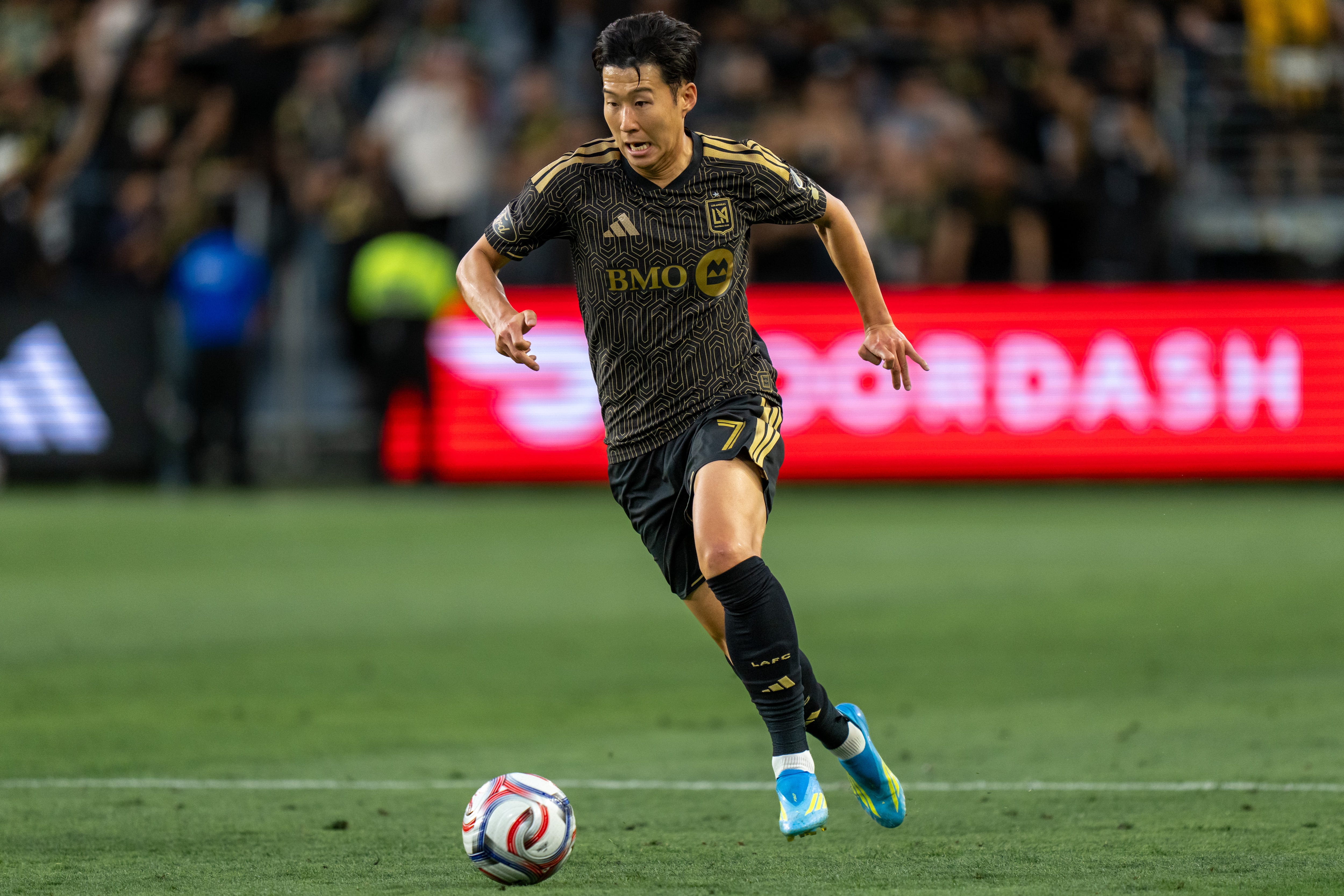
Being a native of Los Angeles, I am very excited for the FIFA World Cup. Equally exciting, however, has been Heung Min Son’s signing with LAFC. As someone who is half-Korean and plays soccer, I have followed Son since his days at Tottenham. My grandparents and my mom are devoted fans as well, and we will all be cheering when he plays for the South Korean national team.
No doubt, Son’s appeal crosses generations and cultures. He represents and epitomizes how much soccer has changed and how the sport has helped transform perceptions of different cultures. Son is internationally recognized for being a great soccer player, but beyond that, he has broken barriers and stereotypes and become a symbol of pride for the Asian community. He has shown that Asian male athletes can compete with the best in the world.
For decades, Asian men have been stereotyped in Western culture. They were often portrayed as nerds who were weak, socially goofy, and lacking the masculine qualities required of athletes. The Asian boy with glasses was the kid to cheat off of in math but very rarely the athlete who could win or lead the team to the championship.
Before Son, one of the first professional soccer players who challenged these negative stereotypes was Ji Sung Park. Despite his great achievements in playing for Manchester United, Park faced much racism from fans, players, and coaches as one of the few Asian players in the European league. In 2021, Park had to ask fans to stop singing a song that mentioned Koreans eating dog meat. This chant was tolerated as “banter” and accepted even by Park earlier because he wanted to fit in, but such racist speech should have been stopped a long time ago. Players like Hidetoshi Nakata and Keisuke Honda similarly had to overcome doubts and prove that Asian players could be competitive in professional soccer.
Playing in the Premier League, Heung Min Son has proven himself to be able to compete with the best. He is the only Asian player to win the “Golden Boot” award. He and Harry Kane hold the record for the most goals combination by a duo. Son is known for his speed, power finish and ability to play with both feet. As Captain, he led the Spurs to win the Europa League. His abilities clearly contradict the stereotype that Asian athletes cannot dominate.
Beyond soccer, Son is a symbol of pride and possibility. He serves as a visible role model for younger generations who may not have previously seen Asian representation at the highest levels of soccer. Son’s presence in the media, whether he is being interviewed or endorsing a product, helps promote the image of Asian men as mainstream, elite athletes. Son’s reputation for being humble, hardworking and selfless also helps to increase respect for Asian culture.
Despite the success of athletes like Son, Asian players still remain underrepresented. Organizational and cultural biases still exist against minority players. Son, in fact, has been the target of racial slurs, discriminatory gestures, and online abuse. In February of this year, Vinícius Júnior, a black Brazilian player, was called a monkey by an opposing player while fans made monkey gestures.
FIFA in recent years has adopted antiracism policies, such as the imposition of fines and allowing referees to stop games due to racist behavior. While such steps are important, consistent reporting and enforcement are needed to ensure these rules are being followed. And we, as fans, have a responsibility to recognize how far things have come, but now much work still remains.
Katelin is a Los Angeles-based participant in Youth Media Forward: meet the Los Angeles participants here